
Colorful and crunchy, Asazuke (Japanese Lightly Pickled Vegetables) are a delightful addition to any meal. These quick and simple pickles are perfect for enhancing your lunch or dinner table. With a prep time of just 15 minutes, they are ready in an hour, making them an ideal choice for busy weeknights or casual gatherings. The unique blend of vegetables allows for versatility, and the optional ingredients like shiso leaves and yuzu zest elevate the flavors to a whole new level.
Why You’ll Love This Recipe
- Quick and Simple: This recipe takes only 15 minutes of prep time and is ready in just one hour.
- Versatile Side Dish: Perfect for pairing with various main dishes or as a refreshing snack.
- Fresh Flavors: A mix of colorful vegetables brings brightness to your plate along with unique tastes.
- Healthy Option: Low in calories yet high in nutrients, these pickles are a guilt-free addition to any meal.
- Customizable: Feel free to experiment with different vegetables and add-ins based on your preferences.
Tools and Preparation
Before you start making Asazuke, ensure you have the right tools at hand. These tools will help make the preparation process smooth and efficient.
Essential Tools and Equipment
- Digital kitchen scale
- Large mixing bowl
- Knife
- Cutting board
Importance of Each Tool
- Digital kitchen scale: Ensures precise measurements of your ingredients, leading to consistent results every time.
- Large mixing bowl: Provides ample space for mixing the vegetables and pickling ingredients without spills or messes.
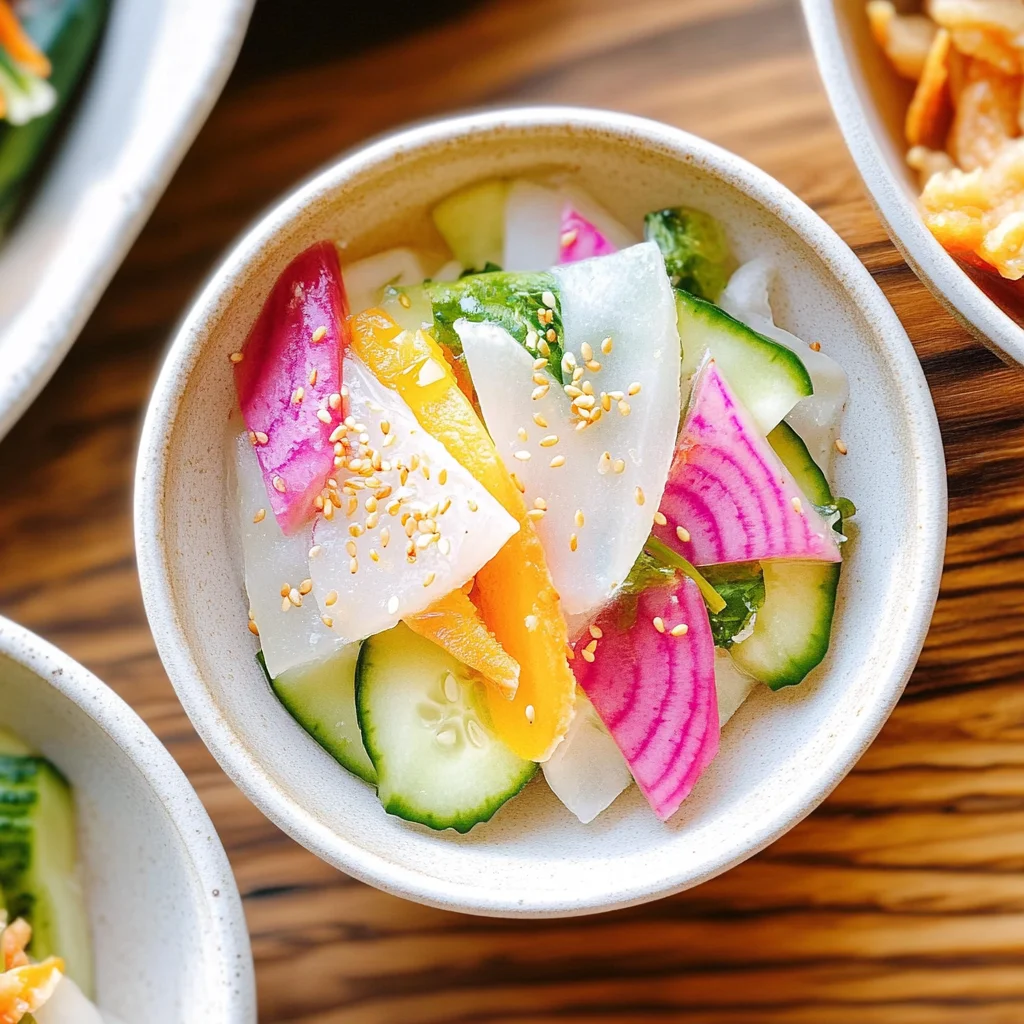
Ingredients
For the Vegetables
- 4 leaves napa cabbage ((11 oz, 300 g; or use green cabbage))
- 2 inches daikon radish ((6 oz, 170 g; or use turnips or cauliflower))
- 1 Japanese or Persian cucumber ((4.5 oz, 128 g))
- ½ watermelon radish ((3.5 oz, 100 g; or use red radish))
- ⅓ carrot ((1.6 oz, 45 g))
For the Brine
- Diamond Crystal kosher salt
- ½ tsp sugar
- 1 piece kombu (dried kelp) ((1 x 2 inches or 2.5 x 5 cm per piece))
Optional Enhancements
- 5 shiso leaves (perilla/ooba) ((optional, but it‘s best to include))
- toasted sesame oil ((for drizzling))
- toasted white sesame seeds ((for sprinkling))
- yuzu zest ((optional))
How to Make Asazuke (Japanese Lightly Pickled Vegetables)
Step 1: Prepare Your Ingredients
- Wash all the vegetables thoroughly under running water.
- Chop the napa cabbage into bite-sized pieces.
- Peel the daikon radish and cut it into thin rounds.
- Slice the cucumber into thin half-moons.
- Cut the watermelon radish into thin rounds as well.
- Julienne the carrot into thin strips.
Step 2: Combine Brine Ingredients
- In a large mixing bowl, combine kosher salt and sugar.
- Add water slowly while stirring until dissolved completely.
- Incorporate the piece of kombu into the mixture.
Step 3: Mix Vegetables with Brine
- Place all prepared vegetables into the brine mixture.
- Gently toss until all vegetables are well coated in the brine.
Step 4: Let It Pickle
- Cover the bowl with plastic wrap or a lid.
- Allow it to sit at room temperature for at least one hour (or overnight in the refrigerator for deeper flavor).
Step 5: Serve Your Asazuke
- Once pickled, drain excess liquid if desired.
- Transfer to serving plates and drizzle with toasted sesame oil.
- Finish with a sprinkle of toasted white sesame seeds and optional yuzu zest.
Enjoy your homemade Asazuke as a refreshing side dish that enhances any meal!
How to Serve Asazuke (Japanese Lightly Pickled Vegetables)
Asazuke makes a delightful addition to any meal with its refreshing crunch and vibrant colors. This Japanese lightly pickled vegetable dish is versatile and can complement a variety of cuisines.
Pair with Rice
- Enjoy Asazuke as a side dish alongside steamed white or brown rice for a simple, satisfying meal.
Add to Bento Boxes
- Include these pickles in your bento box for a pop of color and flavor that balances heartier items.
Serve with Grilled Meats
- The tangy taste of Asazuke pairs perfectly with grilled chicken, beef, or turkey, enhancing the overall dining experience.
Incorporate into Salads
- Toss Asazuke into salads for an exciting crunch. It adds depth to both green salads and grain-based dishes.
Use as Tacos or Wrap Fillings
- Add Asazuke to tacos or wraps to introduce a refreshing twist to your favorite fillings.
Garnish Dishes
- Use Asazuke as a garnish on dishes like rice bowls or noodle soups for added flavor and visual appeal.
How to Perfect Asazuke (Japanese Lightly Pickled Vegetables)
Perfecting your Asazuke involves attention to detail and creativity. Here are some tips to elevate your pickling game:
-
Choose Fresh Vegetables: Select vibrant, crunchy vegetables for the best texture and flavor in your pickles.
-
Use Quality Salt: Opt for Diamond Crystal kosher salt as it dissolves easily and enhances the vegetables’ natural flavors.
-
Experiment with Ingredients: Don’t hesitate to add different vegetables or herbs like shiso leaves for unique twists on flavor.
-
Adjust Pickling Time: For milder flavors, stick to 1 hour; for deeper taste, allow overnight pickling.
-
Store Properly: Keep Asazuke in an airtight container in the refrigerator for optimal freshness; consume within a week.
-
Try Different Accompaniments: Drizzle with toasted sesame oil or sprinkle yuzu zest before serving for extra depth.
Best Side Dishes for Asazuke (Japanese Lightly Pickled Vegetables)
Asazuke pairs well with various side dishes that complement its lightness. Here are some great options:
-
Grilled Chicken Thighs: Juicy and flavorful, grilled chicken thighs provide a savory contrast to the crispness of Asazuke.
-
Stir-Fried Broccoli: Slightly charred broccoli adds nutty flavors that balance well with the tangy pickles.
-
Quinoa Salad: A refreshing quinoa salad mixed with herbs can enhance the overall meal experience alongside Asazuke.
-
Miso Soup: Traditional miso soup offers warmth and comfort while balancing the coolness of lightly pickled vegetables.
-
Vegetable Tempura: Crispy tempura provides a delightful crunch that pairs nicely with the softness of pickled vegetables.
-
Roasted Sweet Potatoes: Sweet potatoes’ natural sweetness complements the tanginess of Asazuke beautifully.
-
Cucumber Salad: A simple cucumber salad seasoned with vinegar echoes the freshness found in Asazuke.
-
Edamame Beans: Steamed edamame beans serve as a healthy protein-packed side dish that rounds out the meal perfectly.
Common Mistakes to Avoid
When making Asazuke (Japanese Lightly Pickled Vegetables), it’s easy to make simple mistakes that can affect the flavor and texture. Here are some common pitfalls and how to avoid them.
-
Skipping the Salting Step: Failing to salt the vegetables properly can lead to bland pickles. Always sprinkle salt generously to enhance the flavors and help draw out moisture.
-
Not Using Fresh Ingredients: Using wilted or old vegetables can ruin your Asazuke. Choose fresh, crunchy vegetables for the best taste and texture.
-
Overpickling: Leaving the vegetables in the pickling mixture for too long can make them mushy. Stick to a minimum of 1 hour and check for doneness regularly.
-
Ignoring Optional Ingredients: While you can make Asazuke with just basic ingredients, omitting shiso leaves, yuzu zest, or sesame oil can limit flavor complexity. Consider adding these for a richer taste.
-
Using Wrong Container: Storing Asazuke in a non-airtight container might introduce unwanted air and bacteria. Use a clean, airtight glass jar for storage.
-
Neglecting Hygiene: Not washing your hands or utensils before handling ingredients can introduce bacteria. Always practice good kitchen hygiene when preparing food.
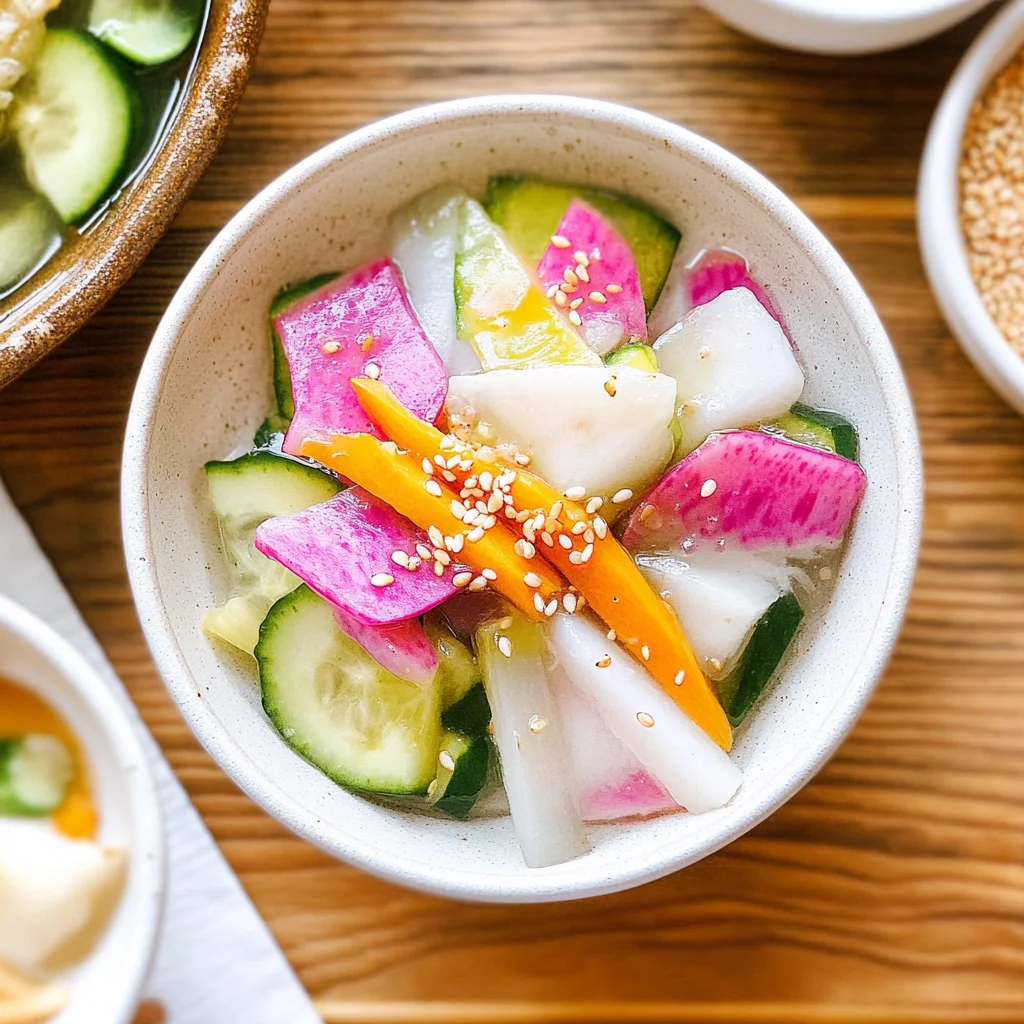
Storage & Reheating Instructions
Refrigerator Storage
- Store Asazuke in an airtight container.
- It will last for up to 1 week in the refrigerator.
- Keep it away from strong-smelling items to prevent flavor absorption.
Freezing Asazuke (Japanese Lightly Pickled Vegetables)
- Freezing is not recommended as it may alter the texture of the vegetables.
- If you must freeze, use freezer-safe containers and consume within 1 month.
Reheating Asazuke (Japanese Lightly Pickled Vegetables)
- Oven: Preheat to 350°F (175°C). Place in an oven-safe dish covered with foil until warmed through.
- Microwave: Heat on medium power in short intervals, stirring occasionally for even heating.
- Stovetop: Warm gently over low heat in a skillet, stirring frequently until heated through.
Frequently Asked Questions
Here are some common questions about Asazuke (Japanese Lightly Pickled Vegetables) that might help you make this recipe even better!
What vegetables are best for Asazuke?
You can use napa cabbage, cucumbers, daikon radish, watermelon radish, carrots, and more. The key is to choose fresh and crunchy varieties.
How long does it take to make Asazuke?
Asazuke requires a minimum of 1 hour for pickling but can be left overnight for more intense flavor development.
Can I customize my Asazuke?
Absolutely! Feel free to add ingredients like shiso leaves or yuzu zest for extra flavor. You can also experiment with different vegetable combinations.
Is Asazuke healthy?
Yes! It’s low in calories and packed with vitamins from fresh vegetables. The pickling process also aids digestion thanks to beneficial enzymes.
Final Thoughts
Asazuke (Japanese Lightly Pickled Vegetables) is a delightful side dish that showcases vibrant colors and flavors. This recipe is versatile; feel free to customize it according to your preferences by adding various vegetables or seasonings. Try making it today and enjoy its refreshing crunch alongside your meals!
Asazuke (Japanese Lightly Pickled Vegetables)
Asazuke, or Japanese lightly pickled vegetables, is a vibrant and refreshing side dish that’s perfect for any meal. With its colorful mix of fresh vegetables such as napa cabbage, daikon radish, and cucumbers, this quick pickle brings an exciting crunch to your plate. The preparation takes just 15 minutes, and with only an hour of pickling time, Asazuke makes a great addition to busy weeknight dinners or casual gatherings. Enhance the flavor with optional ingredients like shiso leaves or yuzu zest for a burst of freshness that truly captures the essence of Japanese cuisine. Not only is this dish easy to customize based on what you have at home, but it’s also low in calories and high in nutrients—making it a guilt-free choice for anyone looking to add healthy options to their meals.
- Prep Time: 15 minutes
- Cook Time: 60 minutes
- Total Time: 1 hour 15 minutes
- Yield: Approximately 4 servings 1x
- Category: Side Dish
- Method: Pickling
- Cuisine: Japanese
Ingredients
- 4 leaves napa cabbage
- 2 inches daikon radish
- 1 Japanese or Persian cucumber
- ½ watermelon radish
- ⅓ carrot
- Diamond Crystal kosher salt
- ½ tsp sugar
- 1 piece kombu (dried kelp)
- 5 shiso leaves (optional)
- toasted sesame oil (for drizzling)
- toasted white sesame seeds (for sprinkling)
- yuzu zest (optional)
Instructions
- Wash all the vegetables thoroughly under running water.
- Chop the napa cabbage into bite-sized pieces.
- Peel the daikon radish and cut it into thin rounds.
- Slice the cucumber into thin half-moons.
- Cut the watermelon radish into thin rounds.
- Julienne the carrot into thin strips.
- In a large mixing bowl, combine kosher salt and sugar.
- Add water slowly while stirring until dissolved completely.
- Incorporate the piece of kombu into the mixture.
- Place all prepared vegetables into the brine mixture.
- Gently toss until all vegetables are well coated in the brine.
- Cover the bowl with plastic wrap or a lid.
- Allow it to sit at room temperature for at least one hour (or overnight in the refrigerator for deeper flavor).
- Once pickled, drain excess liquid if desired.
- Transfer to serving plates and drizzle with toasted sesame oil.
- Finish with a sprinkle of toasted white sesame seeds and optional yuzu zest.
Nutrition
- Serving Size: 1/4 cup or approximately 55g
- Calories: 20
- Sugar: 1g
- Sodium: 240mg
- Fat: 0g
- Saturated Fat: 0g
- Unsaturated Fat: 0g
- Trans Fat: 0g
- Carbohydrates: 4g
- Fiber: 2g
- Protein: 1g
- Cholesterol: 0mg



Leave a Comment